Understanding
Start with understanding, not labels.
In ordinary days
What these topics look like at home
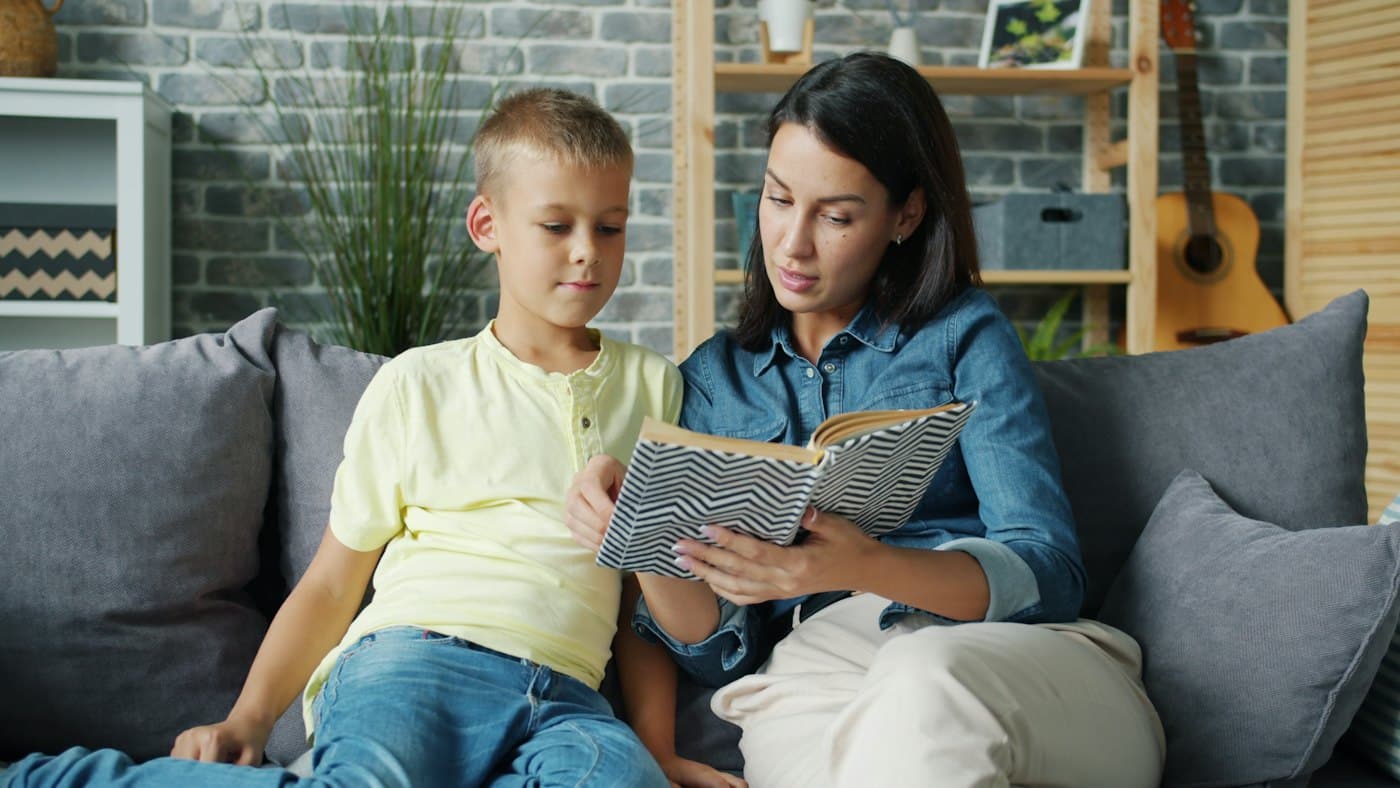
Connection can be quiet and side by side. 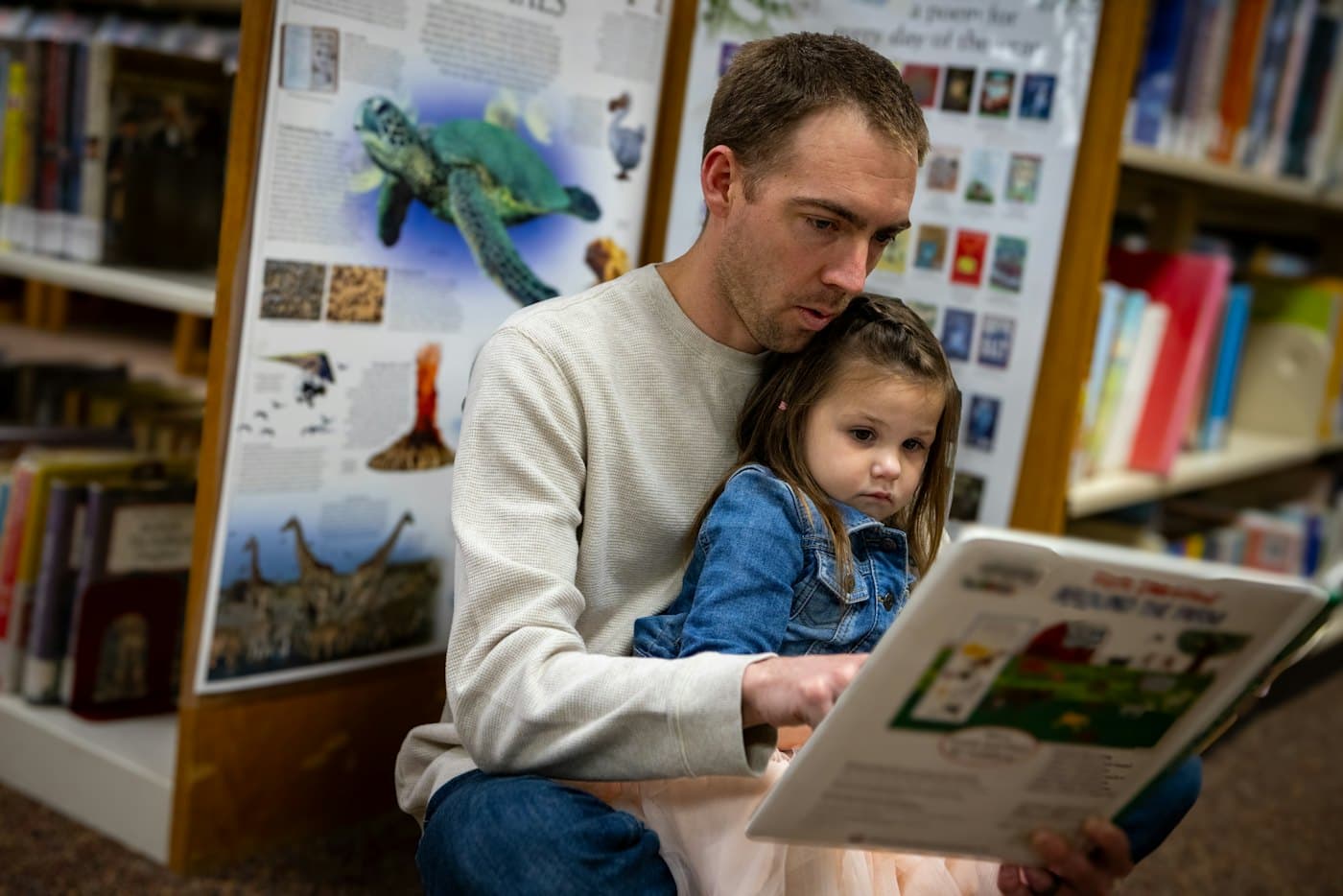
Stories are one way a day becomes shared. 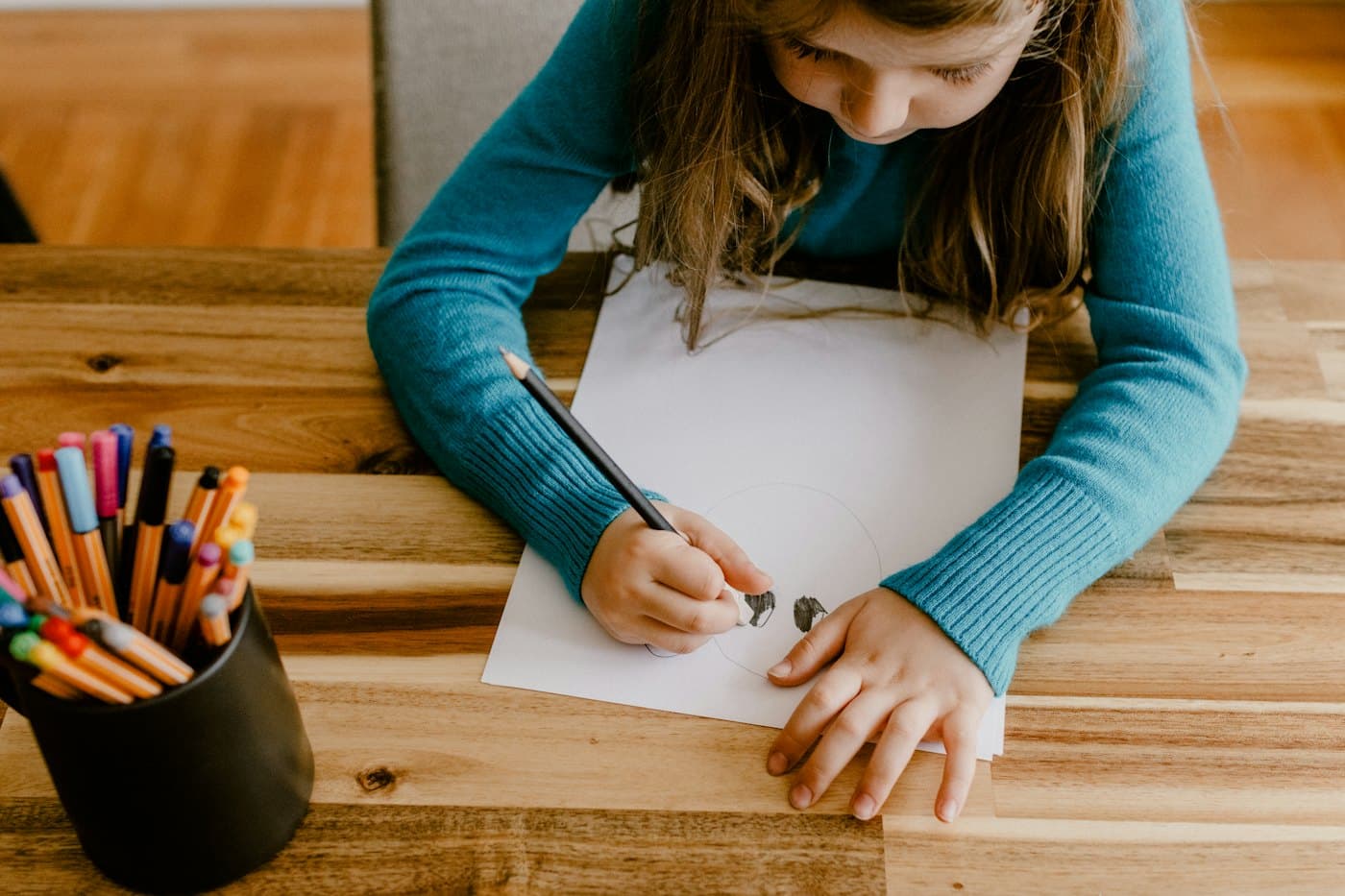
Interests are often the doorway in. 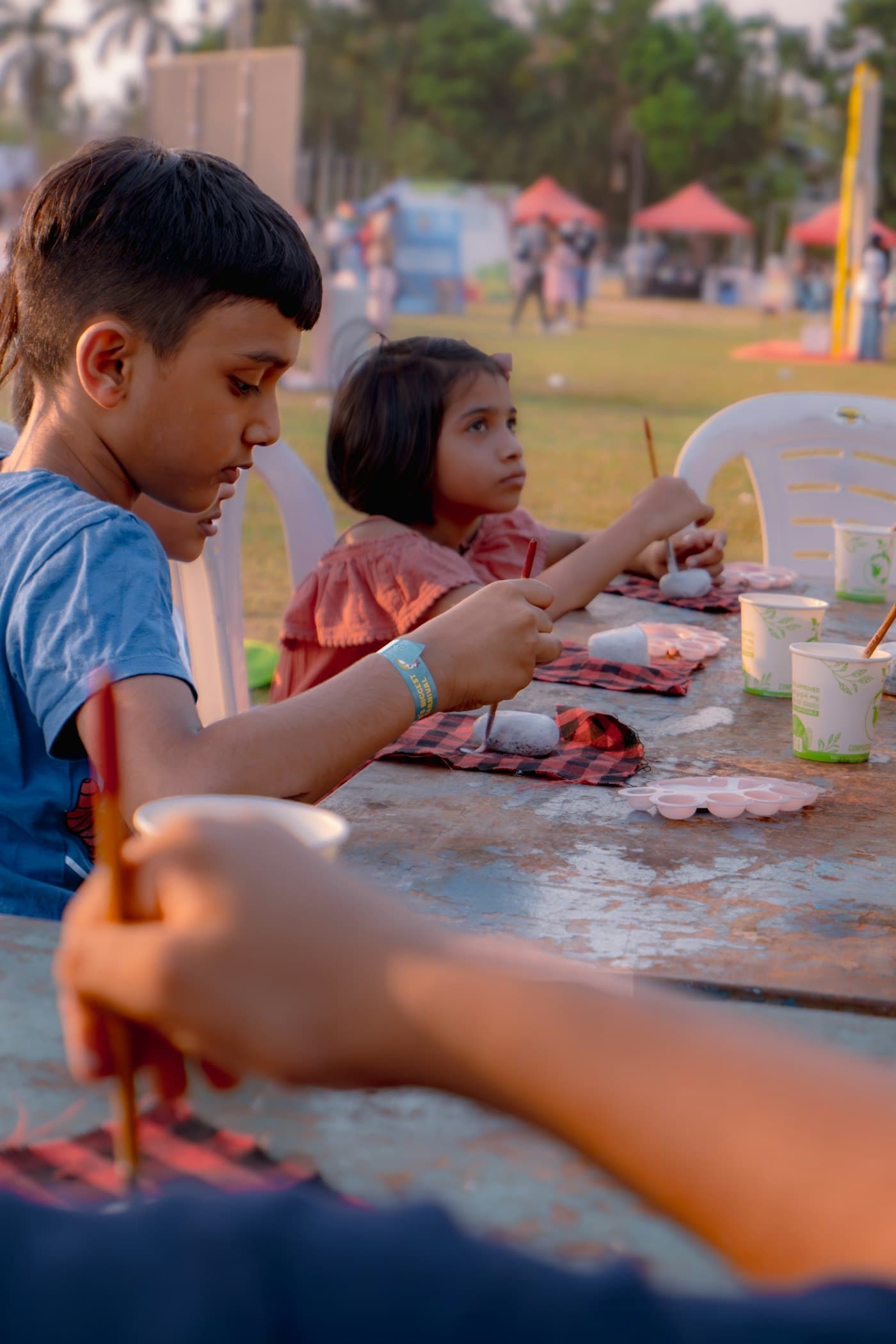
Belonging can look like working near someone. 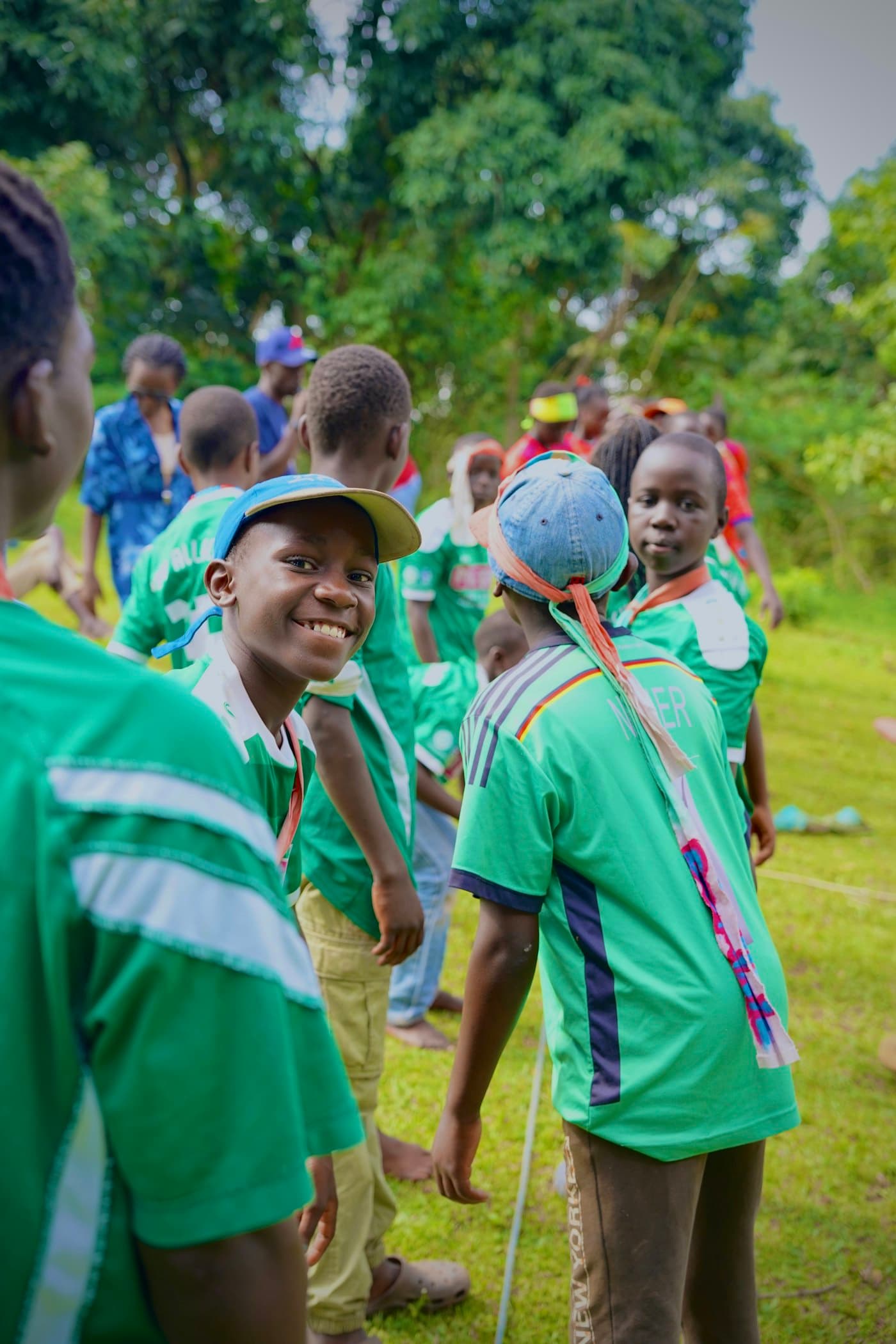
Movement and play are part of understanding.
Everyday photographs of family life, play, and learning. They illustrate the topics. They are not pictures of a diagnosis.
A flow
From a question to one next step
Understanding moves in a circle you can walk again. Notice, get curious, adapt the world a little, then come back to what the child does well.
- 1
Notice
What is happening for this child, in this moment?
- 2
Get curious
What might the moment be asking: sensory, pace, words, or rest?
- 3
Adapt
What can change around the child, before asking the child to change?
- 4
Return
Which strength or interest can lead the next small step?
How the topics fit
Four ways to look, one child
The topics below are doorways into the same person. Most families meet more than one of them at once.
Start with the child you know
How the world is sensed
- Sensory preferences
- Communication
How the day is organized
- Attention differences
- Executive functioning
- Routines
How feelings and belonging work
- Emotional regulation
- Social connection
- Autistic experiences
How learning finds a door
- Learning differences
- Strengths and interests
Topics to explore
These are doorways, not definitions. Use them to get familiar with language families often meet, then come back to the child you know.
Autism and autistic experiences
Autistic children may sense, communicate, focus and connect in their own rhythm. Deep interests, honesty, memory and a clear sense of fairness are often part of that picture.
ADHD and attention differences
An ADHD mind may move quickly, notice everything, or find it hard to start, stop and switch. Interest, movement and a kind structure often open more doors than pressure.
Sensory processing and preferences
Sound, light, clothing, smell, taste and movement can feel louder for some children and quieter for others. A more comfortable sensory world makes room for play, learning and rest.
Communication differences
Communication is wider than spoken words. Gestures, pictures, devices, behaviour, scripts and quiet can all carry something true.
Emotional regulation and big feelings
Feelings can arrive quickly and take time to settle. Safety, a calm adult nearby, and a plan made before the storm are steadier than a demand to calm down.
Learning differences
Children learn at different paces and through different doorways. When the path fits the child, effort shows up and confidence has somewhere to grow.
Social interaction and connection
Belonging does not have to look one way. Shared interests, parallel play, one trusted person and clear expectations can all be real connection.
Executive functioning
Planning, starting, remembering and shifting tasks can take extra support. Visual steps, smaller pieces and a gentle restart help independence grow.
Routines, transitions and change
Predictability helps many neurodivergent children feel safe. A picture, a warning, a timer and a little flexibility can make change less sharp.
Strengths, interests and preferences
Interests are often the doorway, not a distraction. Notice what lights a child up, and let that light lead the next step.
Why is it happening?
Look for context, not a single cause.
Behaviour and distress usually happen in a context. A sound, a transition, a confusing demand, hunger, fatigue, or a skill that is still growing can all shape what we see.
Asking why is a way to get curious about the fit between a child and the world around them. Every neurodivergent person is different. A useful question is what this child needs in this moment, and which qualified professional can help you understand the bigger picture.
A picture, not a measurement
Lenses for one moment
- Sound, light, clothing, or touch
- A transition or a change of plan
- A demand that is unclear
- Hunger, fatigue, or discomfort
- A skill that is still growing
- An interest that can help
The bar lengths are a visual rhythm so the list is easier to scan. They are not scores, and they are not true of every child.
A strengths-first approach
Alongside “what feels hard?”, this site keeps asking what the child is communicating, what helps them feel safe, what they are good at, and how the environment can change with them.
- What is this child communicating?
- What helps them feel safe?
- What are they good at?
- How can we adapt the environment around them?
Understanding is a beginning, not a verdict.
When you are ready for everyday ideas, the family support pages and printable library are waiting.